

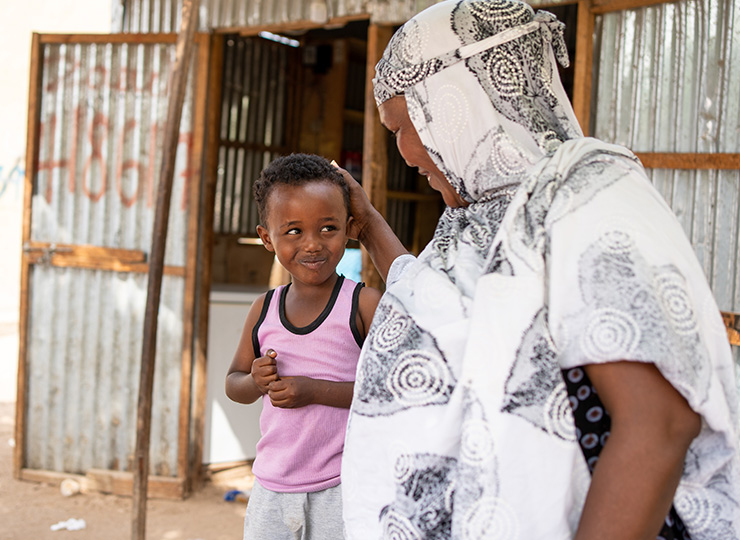
Facing the reality of mental health is imperative. With over 200 classified forms of mental illness affecting an estimated one in ten individuals in Africa alone, silence is no longer an option. Shockingly, suicide ranks as the third leading cause of death among young people aged 10-29, claiming over 700,000 lives annually. The toll of silence is profound, perpetuating suffering and loss. Fear of stigma often keeps individuals from seeking help but breaking this silence is crucial. Open conversations normalize mental health struggles, reduce stigma, foster empathy, and, most importantly, save lives. Seeking help is not a sign of weakness but of strength, as mental illness warrants compassion and support. Jars Education Group stands committed to fostering open dialogue and empowering individuals to seek help. Together, let's break the silence, heal, and build a more resilient Africa.
- Mental Illness is Common
Contrary to popular belief, mental health conditions are not rare occurrences that only affect a select few. With more than 200 classified forms of mental illnesses, the prevalence of these conditions is staggering. In Africa alone, it's estimated that one in every ten individuals has a common mental disorder. This means that mental health issues are not isolated incidents but rather widespread concerns that touch the lives of countless people.
2. Mental Health Affects All Ages.
Mental illness knows no boundaries when it comes to age. While it can manifest at any stage of life, most cases begin between the ages of 10 and 24. This means that young people, in particular, are vulnerable to mental health challenges. Shockingly, suicide is the third leading cause of death among 10-29-year-olds, highlighting the urgent need for support and intervention in this age group.
3. The Toll of Silence
The consequences of staying silent about mental health are dire. More than 700,000 people die due to suicide every year, a staggering number that underscores the severity of the issue. Yet, many of these deaths could be prevented with proper awareness, support, and access to mental health services. By continuing to ignore mental health, we perpetuate a cycle of suffering and loss that affects individuals, families, and communities alike. So why the silence? The stigma surrounding mental health is a significant barrier to seeking help. People fear judgment, isolation, or even career repercussions. But keeping quiet only allows the problem to fester.
4. The Power of Conversation
Talking about mental health is not just important; it's essential. By breaking the silence surrounding mental illness, we chip away at the stigma that prevents people from seeking help. When we openly discuss our struggles and experiences, we create a safe space for others to do the same. This sense of solidarity and understanding is invaluable in promoting mental well-being and preventing tragedy. Early intervention is critical. Many mental illnesses are treatable, and the sooner you get help, the better the outcome. It reduces stigma. Open conversations normalize mental health struggles and encourage others to seek support. It fosters empathy and understanding. Sharing your story can help others feel less alone and create a more supportive community. It saves lives. By breaking the silence on suicide prevention, we can ensure people know where to turn for help. Talking about mental health doesn't have to be scary. Start a conversation with a trusted friend, family member, or therapist. You'd be surprised how many people are willing to listen and offer support.
5. Seeking help is a Sign of Strength
Above all, it's crucial to emphasize that seeking help for mental health concerns is a sign of strength, not weakness. Mental illness is not a character flaw or a personal failing; it's a medical condition that deserves compassion and support. By encouraging open dialogue and destigmatizing mental health, we can empower individuals to seek the help they need and deserve.
In conclusion, the importance of talking about mental health cannot be overstated. It's time to break free from the shackles of silence and shame and embrace a future where mental well-being is prioritized and supported. Together, let's start the conversation and pave the way for a healthier, more compassionate world. Jars Education Group is committed to building a future where mental health is openly discussed and people feel empowered to seek help. Remember, you're not alone. Let's talk, let's heal, and let's build a more resilient Africa together.